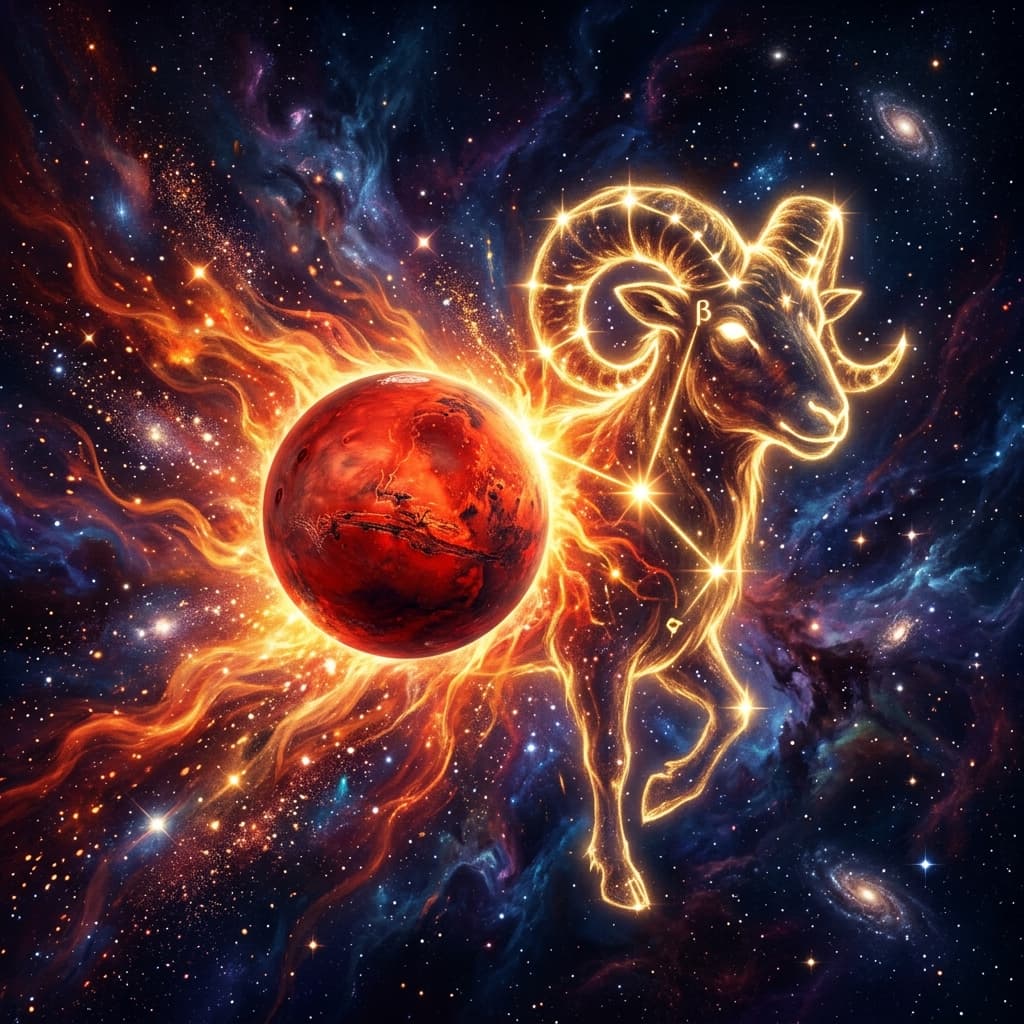
April 9, 2026: Mars (known as Kuja or Mangal in Vedic astrology) has officially entered Aries (Mesha Rashi) — its own sign — marking one of the most energising planetary transits of the year. When Mars occupies its Swakshetra (own house), it operates at peak strength, delivering maximum results in areas governed by the red planet: courage, physical vitality, ambition, competition, real estate, and decisive action.
This transit is especially significant in 2026 because Mars joins an already powerful concentration of planets in Aries — creating the much-discussed Aries Stellium that includes the Sun, Mercury (entering April 14), and the influence of Neptune. The combined effect is a period of extraordinary forward momentum, but one that also demands careful management of temper, impatience, and physical overexertion.
What Is a Swakshetra Transit and Why Does It Matter?
In Vedic astrology, a planet is said to be in Swakshetra when it transits through the zodiac sign it rules. For Mars, the two owned signs are Aries and Scorpio. When occupying its own sign, a planet's natural significations are expressed at full power without the dilution or modification that occurs in other signs.
A Swakshetra Mars brings:
- Peak physical energy and stamina — ideal for athletes, fitness goals, and physical challenges
- Enhanced courage and decisiveness — the ability to take bold action without hesitation
- Competitive advantage — favourable outcomes in legal disputes, competitions, and negotiations
- Property and land matters — positive developments in real estate and construction
- Leadership ability — the confidence to take charge and initiate projects
However, an overpowered Mars can also manifest negatively through aggression, recklessness, accidents, inflammatory health issues, and conflicts born from impatience. The key is to channel this energy rather than let it run unchecked.